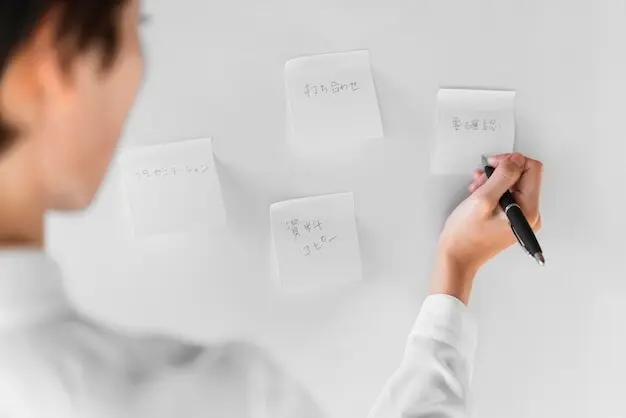
Morning Routines That Guide the Day

How you begin shapes every downstream choice. Instead of waking to randomness, design a gentle ramp: one prioritizing question, one prepared surface, one protective boundary. By lowering friction and clarifying the first meaningful step, mornings stop stealing attention and start returning it, helping you transition from autopilot to intention without demanding heroic willpower or unrealistic discipline.

Activate Intent with If-Then Plans

Psychologist Peter Gollwitzer popularized implementation intentions: if situation X arises, then I will do Y. Write two tiny rules for tomorrow, like ‘If I pour coffee, then I open my journal; if I unlock my phone, then I set a 20-minute timer.’ Clarity beats motivation when groggy.

Reduce Choice Friction

Choice friction multiplies when everything competes for attention. Pre-batch decisions the night before: clothes ready, breakfast ingredients grouped, top task written, links queued. By staging the environment and removing at least three micro-obstacles, you convert two minutes of setup into an hour of smoother momentum.

Cognitive Shortcuts You Can Trust

Heuristics can save precious energy when used deliberately. Rather than wrestling every decision to the ground, adopt small, explicit rules that bias you toward reliability. Understand where intuition shines, where it misleads, and how to run quick checks that keep shortcuts honest without slowing life to a crawl.

Designing Environments That Nudge You Kindly

Small cues can whisper powerful directions. By arranging defaults, visibility, and effort, you make the wise option feel natural. Thaler and Sunstein described gentle nudges, yet you can design personal ones today: place fruits eye-level, hide cookies, auto-transfer savings, and turn friction against unhelpful habits.

Default to the Good Option

Many choices are made by not choosing. Switch automatic renewals toward healthier baselines: default calendar blocks for focus, default grocery list with vegetables, default bedtime reminders. When the beneficial path happens automatically, willpower stops bearing the entire load and consistency finally arrives.

Make the Next Step Obvious

If the next step is invisible, it will not happen. Put the reminder where action begins: shoes near the door, guitar on a stand, draft outline atop the keyboard. Reduce steps between intention and movement, and watch momentum accumulate almost without negotiation.

Decisions at Work Without the Drama

Workdays overflow with cross-pressures. Clear shared rules transform chaos into progress: document decisions, distinguish reversible from consequential moves, and timebox debates. When everyone knows what problem, who decides, and how success will be measured, meetings shrink and output compounds, with fewer heroic rescues and less blame.

One-Door vs Two-Door Choices

Borrow the distinction popularized by Jeff Bezos: some choices are one-way doors, hard to reverse; others are two-way and easily corrected. Escalate diligence for the former, empower fast trials for the latter, and keep a visible list so no decision type gets confused.

Write the Decision, Not the Debate

Capture the who, what, why, and by-when in a lightweight decision record. Write alternatives considered and reasons rejected. Share in the channel, not a silo. Weeks later, clarity returns instantly, preventing circular debates and saving new teammates hours of archaeological digging.

Emotion, Energy, and Timing

Your internal state is part of the environment. Decisions made when hungry, angry, lonely, or tired often skew risky or avoidant. By tracking energy and emotions, you can choose timing, framing, and support wisely, turning self-awareness into leverage rather than occasional afterthought.

Match Task to Chronotype

Notice when focus, analysis, or creativity peaks for you. Morning larks plan and write early; night owls may prototype after dinner. Pair tasks with their ideal windows, and batch shallow work elsewhere. Matching rhythm to responsibility multiplies quality without forcing a personality transplant.

Name the Feeling to Tame It

UCLA research nicknamed 'name it to tame it' shows that labeling emotions reduces their intensity. Say, 'I feel anxious about uncertainty,' not 'Everything is terrible.' Then choose a regulating action: walk, water, breath, or call a friend. Clearer feelings support clearer choices.

Learning from Yesterday to Improve Tomorrow

Great choosers are great learners. Keep lightweight rituals that preserve lessons: a three-line journal, a weekly reflection, a tiny scoreboard. When missteps become data rather than drama, tomorrow’s decisions grow calmer and smarter, and your confidence shifts from bravado to dependable evidence.

Tiny Postmortems You’ll Actually Do

After any decision of note, jot what you expected, what happened, and one adjustment. Keep it under five minutes so you will actually do it. Patterns emerge quickly, and future you thanks present you with clearer playbooks.

Build a Personal Decision Library

Save your best rules of thumb, frameworks, and prompts in one searchable place. Tag by context - money, health, relationships, work. Over time, this library becomes a quiet mentor, letting you reuse hard-won wisdom instead of reinventing decisions under pressure.

Ask for Feedback the Right Way

Ask for observations, not verdicts. Invite a colleague or friend to describe what they saw you do, where you seemed uncertain, and what outcome followed. Specific, timely feedback sharpens future calls, while appreciation fuels the courage to try again tomorrow.

Darisiratemipexizera
Privacy Overview

This website uses cookies so that we can provide you with the best user experience possible. Cookie information is stored in your browser and performs functions such as recognising you when you return to our website and helping our team to understand which sections of the website you find most interesting and useful.